Checkers & Rally's Rewards
- 4.7
- Rating
- 1.00M
- Installs
- Free
- Price

 Analysis by App-foxy
I found Checkers & Rally's Rewards most useful when I treated it as a practical shortcut for ordering from Checkers or Rally's, rather than as a general food-discovery app. It combines rewards, advance ordering, and delivery in one place, which can make a familiar fast-food stop less stressful when I already know what I want. The app is free, aimed at Everyone, and comes from Checkers Drive-In Restaurants, Inc., so its value depends heavily on whether one of those restaurants is convenient for you.
What stood out to me was the way the app brings the important parts of a repeat order together. I can look for a nearby restaurant, choose food, decide whether to collect it or have it delivered, and keep an eye on rewards without switching between separate services. That sounds simple, but it matters when I am ordering during a busy lunch break or trying to avoid standing in a crowded queue.
How the app feels to use in everyday situations
I find the app easiest to judge by the small decisions it lets me make before I arrive: choosing a restaurant, settling on the order, and deciding how I want to receive it. That preparation can be especially useful when a quick meal has to fit around work, travel, or someone else’s schedule. The next section looks at how those choices shape the ordering routine, including where a little extra care makes the process smoother.
You May Also Like

 Blood Strike: 2.5 Anniversary
Blood Strike’s Loadouts Turn Every Drop Into a Tactical Gamble
A close look at Blood Strike’s custom loadouts: how fast access to signature weapons reshapes its battle royale rhythm, rewards preparation, and narrows the gap between fights.

 Pandora - Music & Podcasts
Pandora’s Music Is Easy to Start, but Harder to Recover
Pandora’s strength is its low-effort path from a seed to a station. Its weak spot is how much confidence it asks you to place in connection, setup, and quiet recovery.

 8 Ball Pool
 Is Built on Rivalries, Rematches, and Routine
A close look at the rivalries, rematches, shared routines, and unanswered safety questions that turn a quick pool match into a persistent mobile community.

 Samsung Music
’s Quiet Strength Is Playing What You Already Own
Its reach comes less from spectacle than from dependable access to a personal library. That simplicity is both the app’s strongest retention engine and its ceiling.

 AccuWeather: Weather Radar
AccuWeather Review: A Quick, Clear Forecast for Everyday Decisions
For everyday plans, the best forecast is the one you can understand quickly. AccuWeather makes rain timing, radar, and local conditions easy to act on, with a few trade-offs.

 Hill Climb Racing
Why Hill Climb Racing Still Turns Crashes Into One More Run
A tiny car, a bumpy hill and one more upgrade: Hill Climb Racing keeps resurfacing because its simple chaos makes every near-miss feel personal.
More From Our News Desk



Readability and navigation at a glance
The strongest part of the experience is its focused purpose. I am not pushed into browsing a huge marketplace filled with unrelated restaurants. The app is built around Checkers & Rally's, so the path from opening it to placing an order feels more direct than using a broad delivery platform. For someone who prefers a limited number of clear choices, that narrower scope can be helpful.
I would still take a moment to read each screen carefully before confirming an order. Restaurant apps often separate menu selection, pickup or delivery, account details, rewards, and payment into different stages, and this app is most useful when I do not rush through those transitions. My practical habit is to check the selected location first, then review the order, then confirm how I plan to receive it. That small routine reduces the chance of sending an order to the wrong restaurant or choosing a less suitable handoff.
The app’s store rating is a 4.7 average from around 19 thousand ratings, with roughly 5.7 thousand written reviews. That level of response suggests that many people find the core experience worthwhile, but a rating cannot tell me whether every location behaves the same way. Restaurant availability and fulfillment can vary by area, so I see the app as a useful ordering tool rather than a guarantee of identical service everywhere.
For readability, I prefer using it when I have enough time to inspect the menu and reward details. If I am trying to order while walking, carrying bags, or dealing with a noisy environment, I am more likely to make a mistake. The interface may be straightforward, but the real-world setting around the phone affects how easy it is to use.
Why the rewards section changes the best workflow
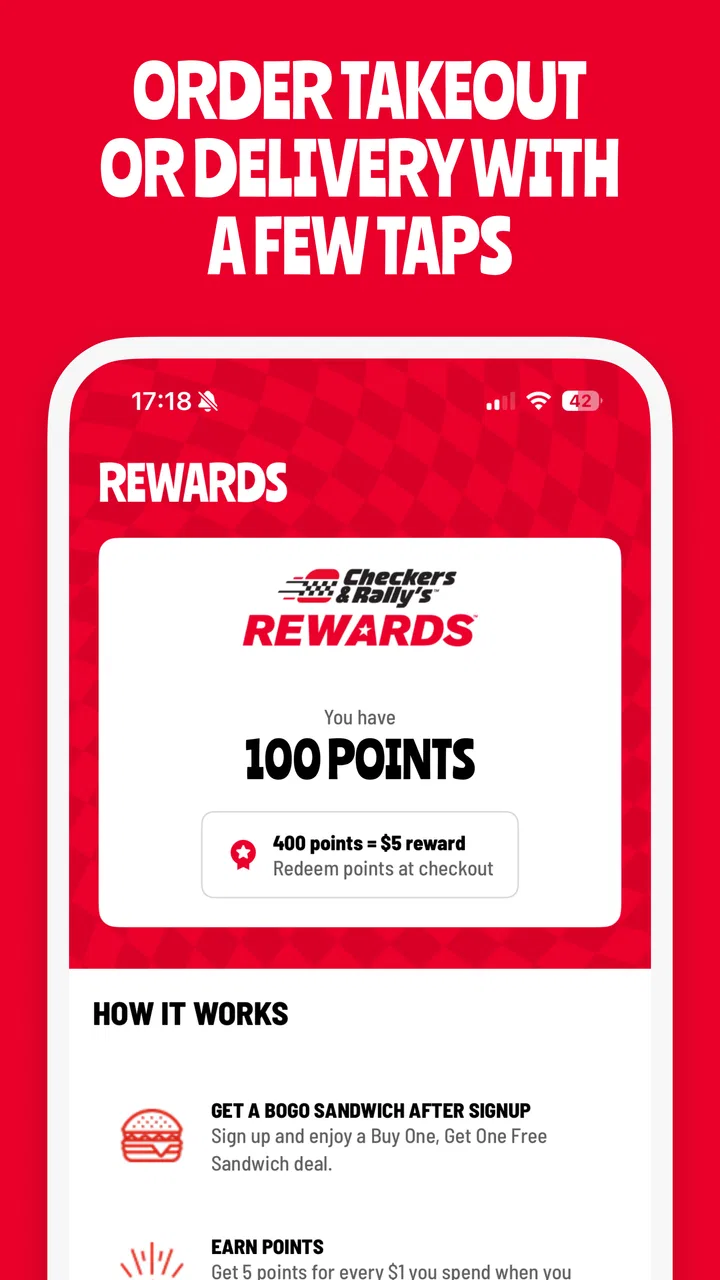
The rewards feature is more valuable for regular customers than for someone making a single occasional order. My advice is to create a repeatable routine: open the app before arriving, check the available reward information, build the order, and review the final choices before submitting it. This is more reliable than reaching the counter and trying to remember what the app offers at the last second.
A less obvious trade-off is that rewards can make the app feel more convenient while also encouraging extra checking. I do not want a discount or reward to distract me from the actual total, the selected location, or the collection method. I treat the reward as a bonus, not as a reason to add food I did not originally want. That approach keeps the app useful for budgeting instead of turning the rewards area into another source of pressure.
People who order the same meal repeatedly may appreciate having their ordering process centered in one account. People who compare every restaurant, delivery charge, and promotion across several services may find a general delivery app more flexible. Checkers & Rally's Rewards is at its best when loyalty to the restaurant matters more than comparing a wide range of nearby choices.
Motor and sensory considerations during an order
From an accessibility perspective, I would describe the app as focused and potentially manageable for many users, but I would not assume that its design solves every access need. A short, direct ordering path can reduce the amount of navigation required, especially for someone who finds dense restaurant marketplaces tiring. At the same time, selecting menu items, adjusting an order, entering details, and confirming payment still requires accurate touch interaction.
That creates a practical concern for users with limited dexterity or tremors. I would prepare the order while seated and use a stable surface rather than attempting it while moving through a parking lot. If a screen requires several small taps, I would slow down and verify each selection before moving forward. The app is more suitable for deliberate ordering than for hurried one-handed use in difficult conditions.
For users with low vision, the most useful approach is to increase the device’s text or display settings where supported by the phone and to avoid ordering in glare. I would also read the final order aloud using the phone’s available assistance tools if that is part of my normal setup. I cannot treat the app as a substitute for those device-level adjustments, but its single-brand focus means there may be less visual clutter than in a large marketplace.
Users who are sensitive to noise or visual overload may prefer ordering ahead because it can reduce the time spent deciding at a busy counter. That is one of the app’s meaningful strengths: the decision can happen in a quieter place, at a pace that suits the user. However, the app does not remove every stressful part of the trip. The restaurant environment, pickup area, traffic, and waiting conditions still matter once the order is submitted.
A realistic scenario: ordering when the usual counter is difficult
Imagine I am meeting a friend after work and the restaurant is likely to be busy. Instead of arriving and trying to read the menu while people wait behind me, I can use the app earlier in the day, choose the location, and arrange the order around my schedule. That is especially helpful if I need extra time to make decisions, if standing in line is uncomfortable, or if conversation and background noise make in-person ordering difficult.
I would not place the order too early without checking the expected timing and my own plans. Advance ordering is convenient only when I can reach the restaurant at the appropriate moment. If my schedule changes, I need to pay attention to the order status and the selected handoff method rather than assuming that the app will solve the timing problem automatically.
Delivery can be useful when travel itself is the barrier. Someone recovering at home, working remotely, or avoiding a crowded public setting may value having the same restaurant choice brought to them. On the other hand, delivery introduces another layer between the app and the meal. If I need precise control over when I receive food, or if I am ordering for a group with changing plans, pickup may be easier to manage.
Situational access: when ordering ahead helps most
The app makes the most sense in predictable situations. I would use it before a commute, during a short break, or when I already know the restaurant I want. Ordering ahead can shift the demanding part of the experience from a public counter to a private moment with fewer distractions. That is a genuine accessibility benefit even if the app does not advertise itself as a specialized accessibility tool.
It can also support people who need more time to inspect food choices. Rather than making a quick decision under social pressure, I can review the order before committing. My useful tip is to keep the phone in a comfortable position, use the same review sequence every time, and avoid confirming until I have checked the restaurant, items, quantities, and handoff method.
For families, the app may simplify a planned meal because one person can prepare the order before everyone reaches the restaurant. For caregivers, that can reduce the need to coordinate choices verbally in a noisy location. Still, the person placing the order must be comfortable with the account and payment steps, so it may not be equally convenient for every household.
Travelers should be more cautious. The app is designed around Checkers & Rally's locations, not around discovering every possible local option. If I am unfamiliar with an area, I would first make sure the selected restaurant is practical to reach or that delivery serves the destination. A broad delivery app may be better when I need to compare many cuisines, restaurants, or service areas in one search.
Where the experience can still create barriers
The biggest limitation is scope. This is not a universal restaurant-ordering solution. If there is no convenient Checkers or Rally's location, the rewards and ordering tools have little value. Even when a restaurant is nearby, the best choice may depend on whether pickup or delivery fits the user’s mobility, schedule, and budget.
Another barrier is the need for active attention. I would not recommend relying on the app while distracted, driving, or navigating an unfamiliar place. A digital order can feel easier than speaking to staff, but it still requires reading, tapping, reviewing, and responding to the app’s flow. People who struggle with small touch targets, account access, or digital payment may still prefer in-person help or a simpler ordering route.
There is also a human factor that no app can fully control. If an order is delayed, a location is crowded, or the pickup process is unclear, the digital part may not remove the frustration. I see ordering ahead as a way to reduce one type of friction, not as a promise of a completely hands-free experience.
For users who need highly specialized accessibility settings, I would test the app personally with the phone’s preferred screen reader, magnification, contrast, or switch-access setup before depending on it for an important meal. That is not a criticism unique to this app; it is simply a sensible check for any ordering service. The right question is whether the app works comfortably with the tools a particular person already uses.
How it compares with ordinary alternatives
Compared with ordering at the counter, the app gives me more privacy and more time to decide. It is better when queues, noise, or rushed conversation make ordering uncomfortable. The counter remains better when I need immediate clarification from staff, want to change something through a conversation, or do not want to manage an account and digital checkout.
Compared with a general delivery service, Checkers & Rally's Rewards is more focused. That focus can make repeat orders and restaurant-specific rewards easier to find, while the broader service is usually more useful for comparing different restaurants in one place. I would choose this app for loyalty and direct access to the brand; I would choose the broader alternative when selection, cross-restaurant comparison, or a single delivery basket matters more.
Compared with a restaurant website used in a mobile browser, a dedicated app may feel more convenient for people who order regularly because it keeps the process centered around the same restaurant account and rewards experience. A browser can be preferable for someone who wants to avoid installing another app or who orders only once. The better option depends less on technical preference than on how often the person returns to Checkers or Rally's.
Device compatibility and basic practical details
The app is free to install and is available for Android devices running version 8.0 or later. Its current version is 2.40.4, and it was released on December 14, 2020. Checkers Drive-In Restaurants, Inc. develops it, and the app has passed the one-million-install mark. Those details make it a realistic option for many Android users, although compatibility alone does not guarantee that every accessibility setting will feel equally comfortable on every phone.
The Everyone content rating is reassuring for households that share devices or allow younger users to browse the app with supervision. I would still keep account, payment, and order-confirmation steps under the control of the person responsible for the purchase. The rating describes the intended content level, not who should be allowed to submit an order.
Before relying on it for a time-sensitive meal, I would install it at home, sign in calmly, and explore the ordering path without rushing. That first test is useful for learning where rewards appear, how the restaurant is selected, and whether the device’s accessibility settings behave as expected. It is much better to discover a navigation problem before I am standing outside a busy restaurant.
My inclusive verdict
I recommend Checkers & Rally's Rewards to people who regularly choose Checkers or Rally's and want a more controlled way to order. Its combination of rewards, advance ordering, and delivery can make everyday meals easier for users who need extra decision time, prefer to avoid crowded counters, or find travel to the restaurant difficult. The focused design is more approachable than a crowded marketplace when the desired restaurant is already known.
I would skip it if I rarely visit these restaurants, need to compare many local food options, or prefer speaking directly with staff about every part of an order. I would also test it before depending on it for specialized access needs, because a convenient brand-specific app is not automatically comfortable for every motor, visual, cognitive, or sensory profile.
My final view is positive but practical: the app is most inclusive when it is used as preparation, not as a complete replacement for human support or a predictable restaurant environment. Used from a quiet place, with the order reviewed carefully and the right pickup or delivery choice, it can remove several unnecessary obstacles. It cannot remove location limits, digital interaction demands, or the realities of the restaurant itself, but for the right user it turns a familiar Checkers or Rally's order into a calmer and more manageable routine.
FAQs for Checkers & Rally's Rewards
01What is Checkers & Rally's Rewards app about?
The Checkers & Rally's Rewards app is a loyalty program designed for fans of the fast-food chain. It offers users exclusive deals, discounts, and the ability to earn points with every purchase. These points can be redeemed for free food and drinks, making it a must-have for frequent customers looking to save money.
02How do I earn and redeem points using the app?
Earning points is simple: just make a purchase at any Checkers or Rally's location and scan your receipt using the app. Points accumulate with every dollar spent. Once you have enough points, you can redeem them for various rewards, which can include free menu items or special discounts.
03Are there any exclusive benefits for app users?
Yes, the Checkers & Rally's Rewards app offers exclusive benefits such as early access to new menu items, special birthday rewards, and limited-time offers that are only available to app users. These perks ensure users get the most out of their dining experience with Checkers & Rally's.
04Is the Checkers & Rally's Rewards app free to use?
Absolutely, the Checkers & Rally's Rewards app is free to download and use on both Android and iOS devices. There are no hidden fees, and users can enjoy all the features and benefits without any cost, making it a valuable tool for saving money on meals.
05What should I do if I encounter issues with the app?
If you experience any issues with the Checkers & Rally's Rewards app, you can contact their customer support through the app itself or visit their website for assistance. The support team is typically responsive and eager to help resolve any problems, ensuring a smooth user experience.
Pros
- User-friendly interface for easy navigation.
- Quick access to exclusive rewards and offers.
- Efficient location finder for nearby outlets.
- Seamless integration with online ordering.
- Personalized deals based on user preferences.
Cons
- Occasional app freezes during peak times.
- Limited customization options for notifications.
- Requires account creation for full features.
- Some features need a stable internet connection.
- Limited support for older device models.

Checkers & Rally's Rewards
Gallery